
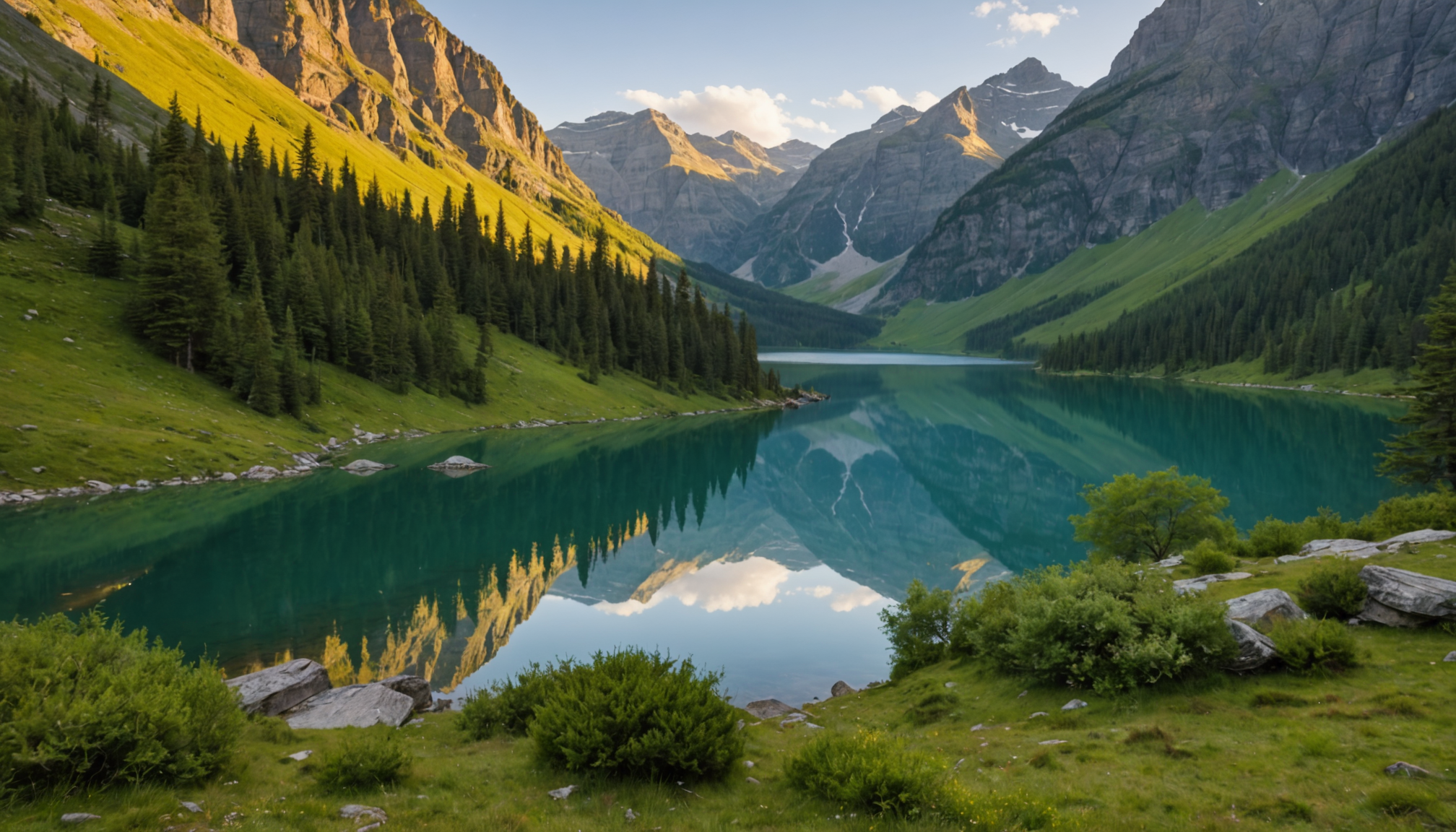
Scenic wonders of Manali
Nestled in the heart of Himachal Pradesh, Manali boasts some of the most breathtaking natural beauty in the Indian Himalayas. The moment you arrive, you’re greeted by panoramic views of snow-capped peaks, lush green valleys, and the gentle murmur of the Beas River cutting through the landscape. The air is crisp and invigorating, carrying the earthy scent of pine and cedar forests that blanket the region, making it an ideal retreat for nature lovers and travelers seeking serene mountain charm.
One of the iconic scenic spots in Manali is Solang Valley, famed for its sprawling meadows surrounded by towering mountains. During winter, the valley transforms into a pristine white canvas of snow, perfect for snow activities, while in summer, it’s abuzz with paragliders and trekkers reveling in the panoramic vistas. The nearby Rohtang Pass, accessible by a picturesque drive, offers incredible views of glaciers and rugged peaks—sometimes still dusted with snow, even during the warmer months. This mountain pass stands as a gateway to further Himalayan adventure, with excellent trekking opportunities and soul-stirring lookouts over the sprawling Lahaul and Spiti valleys.
The enchanting Hadimba Temple, hidden among ancient cedar groves, is another gem. Its intricate wooden architecture stands as a testament to local craftsmanship, while the forest setting infuses an otherworldly calm, especially in the quiet morning hours when mist lingers over the treetops. For those drawn to shimmering water, the tranquil Vashisht and Jogini waterfalls provide an inviting backdrop for peaceful contemplation or scenic photography, their crystal-clear streams flowing through boulders and wildflowers.
No journey through Manali is complete without a walk through Old Manali. Here, apple orchards combine with breathtaking Himalayan vistas, and charming, rustic guesthouses perch alongside the river. This area is a favorite among backpackers and photographers for its laid-back vibe and postcard-perfect scenery. Whether you’re embarking on a mountain trek at dawn or simply enjoying the interplay of snow and sun on distant peaks, Manali’s scenic wonders are sure to leave you spellbound.
Image suggestion: Panoramic view of Manali valley with snow-capped Himalayan peaks, green forests, and the Beas River flowing through the landscape.
Adventure activities and outdoor experiences
Adventure seekers and outdoor enthusiasts will find Manali an absolute delight, with its vast range of thrilling activities set against the majestic Himalayas. As one of India’s premier destinations for adventure tourism, Manali offers options year-round—whether you visit during the shimmering days of summer or the snow-laden winters that turn the valley into a winter sports haven.
Trekking is a star attraction in Manali, drawing wanderers from around the world to tackle its lush trails and high-altitude passes. Popular treks like the Beas Kund trek provide a memorable journey through alpine meadows, bubbling streams, and close-up views of towering peaks. For seasoned hikers, the Hampta Pass trek offers a dramatic crossover from Manali’s emerald valleys to the stark, high-altitude desert panorama of Spiti. Each route introduces trekkers to the unique natural beauty of Himachal Pradesh and the serenity of its hidden landscapes.
If you crave the rush of wind and adrenaline, Solang Valley is the place to be. This adventure hub is alive with paragliding, letting you soak in spectacular aerial views of the valley, forests, and snow-blanketed slopes. Come winter, Solang becomes a snowy playground for skiing, snowboarding, and tubing, with local operators offering lessons both for beginners and experienced snow lovers. Zorbing and mountain biking add even more excitement for those wanting to try something new.
The Beas River, running through the heart of Manali, is renowned for its white-water rafting. Navigating its rapids promises an exhilarating experience as you paddle beneath the gaze of snow-capped mountains and alongside verdant forests. Anglers will also appreciate the river’s reputation for trout fishing—permits and guided trips are easily arranged through local outfitters.
For those looking for adventure with a cultural twist, joining a jeep safari to the Rohtang Pass is a must. Accessible only during the warmer months, this route climbs through winding roads framed by dramatic cliffs and carpets of wildflowers, providing a true sense of Himalayan grandeur. The pass, often still clad in snow even in early summer, offers sweeping views and endless opportunities for photography.
No matter your chosen pursuit, Manali’s unrivaled landscapes and diversity of outdoor adventures guarantee memories that will last a lifetime. Whether you’re scaling heights, racing down snow-covered slopes, or gliding above pine forests, the spirit of adventure here is as boundless as the mountains themselves.
Image suggestion: Adventurers paragliding above Solang Valley, with snowy Himalayan peaks in the background.
Local culture and heritage
 Manali’s vibrant local culture and rich heritage are as captivating as its mountain vistas. Set at the crossroads of ancient trade routes, Manali offers a fascinating blend of history, mythology, and Himalayan traditions that come alive in everyday village life. The predominantly Himachali population takes immense pride in their customs, which are deeply rooted in respect for nature and the surrounding snow-clad peaks.
The spiritual heart of Manali beats strongest at temples like the Hadimba Devi Temple, which holds a special place in local legend. Built in 1553, this stunning shrine is enveloped by towering cedar forests, constructed using intricately carved wood in the distinctive Himachali architectural style. Priests here wear colorful woolen robes, and the air is often filled with the scent of incense and the rhythmic sounds of temple bells. The Manu Temple—dedicated to the sage Manu, believed to be the creator of the human race according to Hindu mythology—stands on the banks of the Beas River, providing insight into the spiritual devotion of Manali’s people.
Walking through Old Manali is like stepping back in time, with its winding lanes, ancient stone houses, and traditional Himachali homes adorned with wooden balconies and hand-carved window frames. Locals can often be seen spinning wool, weaving pattu shawls, or cultivating apples in their orchards. Friendly conversations over cups of hot chai are part of the fabric of daily life, and visitors are greeted with warmth and curiosity.
The folk music and dance of Himachal come alive during festivals like the Dussehra of Kullu, held just a short drive from Manali, featuring a week of vibrant processions, traditional drumming, and swirling folk performers dressed in ornate costumes. Local artisans host stalls selling colorful handicrafts—think hand-embroidered shawls, Kullu caps, handwoven rugs, and intricate silver jewelry—making for meaningful souvenirs that reflect the artistry of the region.
No exploration of Manali’s heritage is complete without experiencing the region’s storytelling traditions. Sitting around a fire in a cozy homestay, you might hear tales of mystical mountain spirits, legendary heroes, and the ancient routes once crossed by intrepid traders and trekkers. Manali truly offers a cultural immersion that lingers long after the snow has melted from the high passes.
Image suggestion: Traditional Himachali dancers in colorful attire performing during a local festival, with wooden temples and pine forests in the background.
Culinary delights and local cuisine
Manali’s culinary landscape is a delightful blend of traditional Himachali flavors, Tibetan influences, and favorites from across North India—making food here as memorable as the mountain views. Whether you’re relaxing in a cozy Old Manali café or sampling street food at the bustling Mall Road, you’ll find something to satisfy every craving after a day spent trekking or exploring in the crisp, pine-scented air.
One of the staples you must try is Siddu, a local Himachali bread made from wheat flour, yeast, and a savory filling—often of ground walnuts or poppy seeds—steamed to pillowy perfection. Siddu is best enjoyed warm, paired with spicy chutney or a ghee drizzle, offering both comfort and nourishment against the cool climate, especially when snowflakes dot the landscape outside.
Street-side vendors tempt with steamy plates of momos, a Tibetan favorite that has become synonymous with food in Manali. These soft dumplings come stuffed with vegetables, chicken, or cheese, and are usually accompanied by a tangy, spicy dip that adds just the right kick. For a heartier experience, don’t miss Thukpa, a noodle soup bursting with vegetables, tender meat, and warming spices—perfect for replenishing energy after a day of adventure.
Dhabas (roadside eateries) serve up moreish Himachali Rajma Chawal, a comforting combination of red kidney beans and rice, simmered in fragrant local spices. Trout, fresh from the Beas River, is another local delicacy—often grilled or fried and served with light seasoning that allows the fish’s natural flavors to shine. For dessert, dig into Dham, a traditional feast of rice, dal, curd, and sweetened rice, often prepared during festivals and special occasions in villages surrounding Manali.
Speaking of festivals, culinary delights take center stage during celebrations like Himachal’s Winter Carnival and Dussehra, when streets fill with sweet treats, snacks, and festival fare. Local markets during these times are alive with stalls selling Mittha (sweet rice), Babru (stuffed flatbread), and Chha Gosht (spiced lamb curry)—dishes shared among neighbors and travelers in a warm spirit of community.
No visit to Manali is complete without exploring its eclectic café scene, especially in Old Manali. Here, rustic bakeries and riverside cafés serve up everything from freshly-baked apple pie and wood-fired pizzas to aromatic herbal teas made from mountain herbs. These spots provide the perfect retreat to sit back, share travel stories, and watch the world go by with the Himalayas as your backdrop.
Image suggestion: A rustic wooden table set with Himachali Siddu, plates of momos, grilled river trout, and a steaming bowl of Thukpa, with an alpine landscape visible through a window.
Travel tips and best times to visit
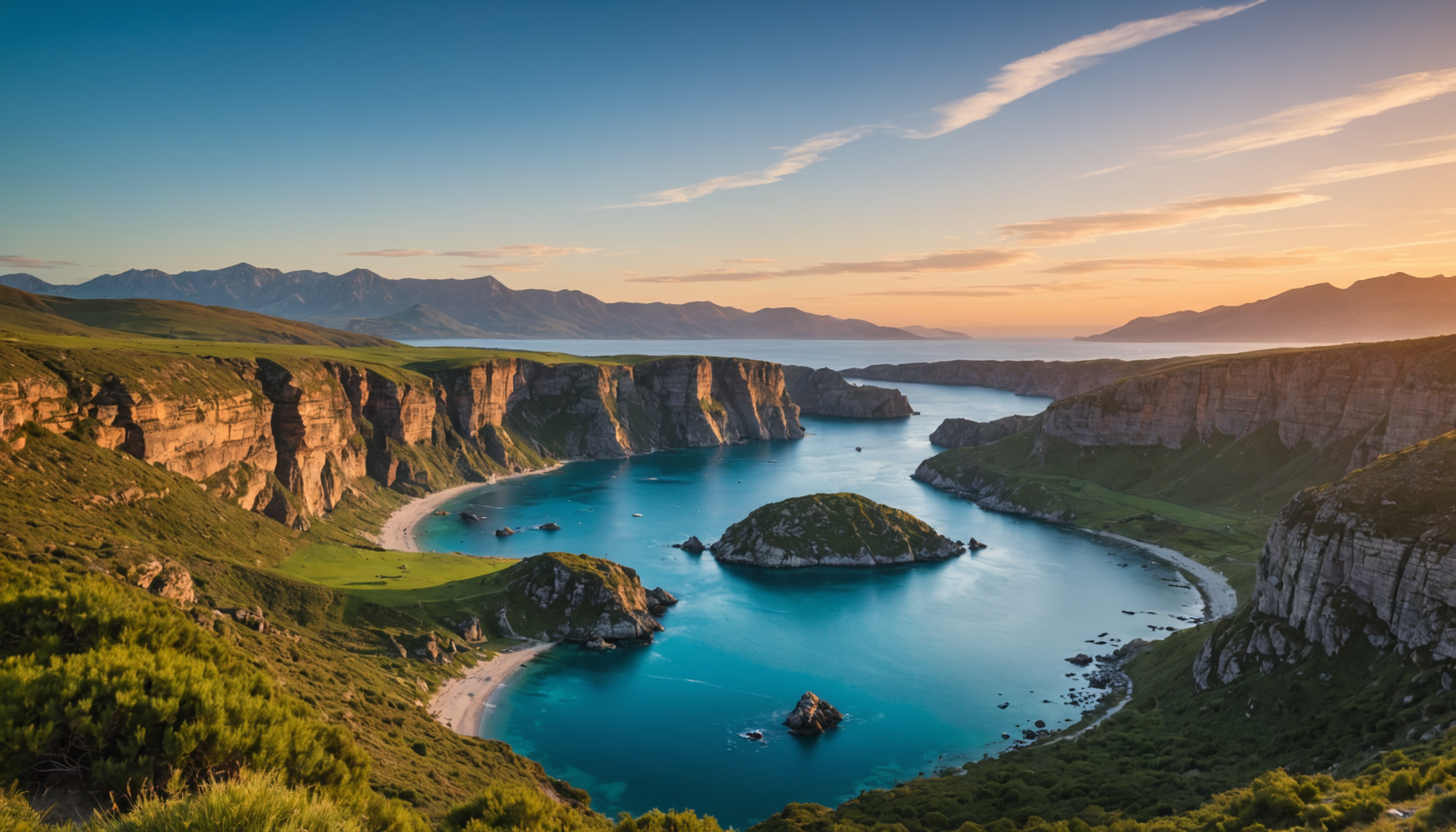 When planning your escape to Manali, timing and preparation are key to making the most of the town’s incredible mountain scenery and vibrant local experiences. While Manali is a year-round destination, the best time to visit depends on what you want to see and do. For snow lovers and winter sports enthusiasts, December through February is ideal—Solang Valley and Rohtang Pass become winter wonderlands, perfect for skiing, snowboarding, and snowball fights amid frosted pine forests. If trekking through lush meadows and exploring apple orchards is more your style, visit between March and June when the temperatures are pleasant, wildflowers are in bloom, and the melting snow feeds crystal-clear streams. Monsoon months (July to mid-September) bring heavy rainfall that turns the valleys impossibly green but can lead to muddy paths and travel disruptions, so many visitors prefer to avoid this period. Autumn (late September to November) is equally captivating, with golden foliage, clear skies, and pleasant hiking weather without the crowds.
Reaching Manali is straightforward, whether you’re seeking a budget trip or something more luxurious. The most popular way is by road—regular Volvo and deluxe bus services run from Delhi (about 12-14 hours) and Chandigarh, offering both comfort and affordability. For those coming by air, the nearest airport is Kullu-Manali Airport in Bhuntar, around 50 kilometers away; from there, taxis and buses connect directly to Manali. The nearest railhead sits in Joginder Nagar, though most visitors find it more convenient to use railheads at Chandigarh or Ambala, followed by a scenic drive up into the hills.
To keep your trip budget-friendly, consider traveling in the shoulder seasons (spring or autumn), when accommodations and adventure activities are typically less expensive and the crowds thinner. There’s a wide range of places to stay, from homestays and budget guesthouses in Old Manali perfect for backpackers, to mid-range hotels and luxury resorts catering to families and couples alike. Dining can be equally affordable—try local dhabas for authentic Himachali fare, or opt for cozy cafés and bakeries around the town.
Travelers should pack layers, as Manali’s weather can change quickly, especially for those planning to go trekking or explore higher altitudes like Rohtang Pass, where snow lingers even into summer. Comfortable walking shoes, waterproof jackets, sunblock, and a reusable water bottle are essentials for days spent outdoors. Cash is useful for small purchases, though most major hotels and cafés accept cards. Be mindful of high-altitude sun exposure and carry necessary medications.
Finally, respect local customs and the fragile mountain environment—avoid littering, support family-run businesses, and be patient with travel delays, which can occur due to weather in the Himalayas. With smart planning and an adventurous spirit, your Manali retreat will be as memorable as the stunning views that await.
Image suggestion: Travelers with backpacks admiring the snow-capped mountains of Manali, with a winding road and lush green hills below.