Top attractions in Darjeeling
Nestled in the picturesque hills of West Bengal, Darjeeling offers a unique blend of natural beauty, colonial charm, and rich cultural heritage that captivates first-time visitors. One of the most iconic experiences here is a ride on the Darjeeling Himalayan Railway, often referred to as the “toy train.” This UNESCO World Heritage site winds its way through mist-shrouded mountains, lush tea gardens, and charming villages, offering breathtaking views at every turn.
Another unmissable attraction is Tiger Hill, famous for its panoramic sunrise views over Mount Kanchenjunga, the world’s third-highest peak. Arrive early to witness the changing colors of the sky as the sun rises, painting the snow-clad mountains in shades of gold and pink. On clear days, you may even catch a glimpse of Mount Everest in the distance.
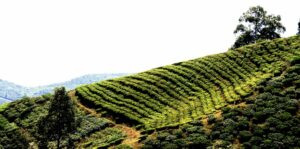
A visit to Darjeeling is incomplete without exploring its lush tea estates. The Happy Valley Tea Estate, one of the oldest in the region, offers guided tours where visitors can learn about the intricate process of tea production and sample some of the freshest brews right at the source. Walking through the emerald-green slopes, dotted with pickers in colorful attire, is a truly immersive experience.
For those interested in nature and wildlife, the Padmaja Naidu Himalayan Zoological Park is a must-visit. Renowned for its conservation efforts, this zoo is home to endangered species like the red panda, Himalayan wolf, and snow leopard. It also houses the Himalayan Mountaineering Institute, where you can learn about mountaineering history and see memorabilia from legendary climbers like Tenzing Norgay.
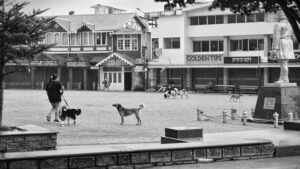
Lastly, the vibrant Mall Road serves as the heart of Darjeeling, bustling with shops, cafes, and local vendors. Here, you can enjoy a leisurely stroll, savor a hot cup of Darjeeling tea while soaking in the cool mountain air, and pick up unique souvenirs to remember your trip.

Best Time to Visit
Darjeeling, set amid the Himalayan foothills of West Bengal, is a year-round destination with each season offering its distinct charm. However, for a first-time visitor eager to make the most of the “Queen of the Hills,” timing your trip can enhance your experience, from scenic vistas to vibrant local festivities.
The most popular time to visit Darjeeling is during the spring and early summer months from March to early June. During this period, temperatures remain pleasant (ranging from 10°C to 20°C), and the rolling tea gardens burst into varying shades of green. The skies are mostly clear, offering stunning views of Mount Kanchenjunga and the surrounding snow-capped Himalayan peaks. This is also the ideal season for a picturesque ride on the toy train, when the landscape is lush and the weather perfect for outdoor explorations.
Monsoon, from June to September, brings heavy rainfall to Darjeeling, revitalizing its valleys and making the hillsides vibrant and fresh. However, frequent landslides and mist can disrupt travel plans and make certain roads difficult to navigate. While this season is less favorable for sightseeing, it does offer a dreamy, misty atmosphere and fewer crowds, perfect for travelers seeking a quiet, romantic escape amid the rain-soaked tea estates.
Autumn, from late September to November, is considered another excellent time to visit, with clearer skies and crisp, cool air returning to the hills. The post-monsoon freshness reveals brilliant views of the mountains, and local festivals like Durga Puja and Tihar bring the town alive with colorful celebrations and cultural events.
Winter, from December to February, introduces chilly mornings and evenings, with daytime temperatures ranging from 2°C to 10°C. While snowfall is rare in the town itself, the surrounding views of snow-covered Himalayan peaks are mesmerizing. This period is ideal for those who enjoy serenity, warm cups of Darjeeling tea by the fire, and want to experience the colonial charm of heritage hotels.
To sum up, March to June and September to November offer the best combination of favorable weather and clear views, making them perfect for sightseeing, tea garden visits, and enjoying the iconic toy train rides. Plan your visit around these months to ensure a comfortable and memorable Darjeeling adventure.
Getting around the city
Getting around Darjeeling is a delightful part of the journey, as the town’s winding mountain roads and picturesque vistas make every ride an experience to remember. The most iconic and scenic way to traverse Darjeeling is aboard the Darjeeling Himalayan Railway, popularly known as the toy train. This narrow-gauge railway connects the lower elevations with the hill station, offering shimmering views of tea gardens, swirling mists, and colonial-era stations along the way. Booking a scenic joyride on the Darjeeling-Ghum section is a must—trains depart several times daily, allowing visitors to enjoy a leisurely ride and soak in the region’s timeless charm.
For shorter distances within the town, shared jeeps and taxis are the most common and convenient modes of transport. These vehicles are crucial for steep, winding ascents and are readily available near the main hub at Chowk Bazaar. They connect popular spots such as Tiger Hill, Batasia Loop, and local tea estates. Shared jeeps usually follow standard routes and are budget-friendly, while private cabs provide the flexibility to create a custom itinerary, ideal for families or those seeking a more personalized experience.
If you’re keen to explore at a slower pace, walking is one of the best ways to discover Darjeeling’s character. The central area around Mall Road is pedestrian-friendly, brimming with colonial architecture, cafes, and scenic vantage points. Strolling here lets you take in panoramic mountain views, listen to the rhythmic chants drifting from Buddhist monasteries, and stop for fresh momos from a street vendor.
For adventurous travelers, renting a bicycle or scooter is feasible when the weather cooperates, especially during the dry months. Local rental shops offer a range of options, though caution is advised due to steep gradients and occasional fog that can make driving challenging, especially for first-time visitors to West Bengal’s hill stations.
It’s important to note that Darjeeling does not have a public bus system for internal city transport; most buses serve only long-distance routes connecting Darjeeling with other parts of West Bengal and Sikkim. If you’re staying at a tea estate outside town, coordinate with your accommodation for transfers, as some locations can be hard to access by public vehicles.
Finally, always allow extra travel time when getting around Darjeeling. The town’s narrow roads can get congested during peak tourist seasons and local festivals, and sudden changes in mountain weather—mist, rain, or landslides—may slow down journeys. Carrying cash for fares is recommended, as digital payments may not be available on all rides, especially with local drivers. With these travel tips in mind, navigating Darjeeling becomes an enjoyable part of your adventure, opening up an authentic connection to the “Queen of the Hills.”

Local cuisine to try
Darjeeling’s unique location in West Bengal, nestled among rolling tea gardens and Himalayan foothills, has gifted it with a vibrant food culture that draws influences from Nepali, Tibetan, Bengali, and local hill communities. Sampling the region’s distinct flavors is an unmissable highlight for first-time visitors.
Start your culinary adventure with momos—steamed or fried dumplings filled with juicy minced meat or fresh vegetables. Sold everywhere from roadside stalls to upscale cafes, these savory bites often come with hot chili chutney and a steaming bowl of clear soup. Pair your plate with a glass of Darjeeling tea, which locals sip morning, noon, and night. While the region is world-renowned for its first flush black tea, you’ll also find delicately flavored green and white teas—ask for a tea-tasting session at one of the hilltop estates or cozy heritage tea rooms on Mall Road.
Thukpa is another crowd-pleaser: a hearty noodle soup packed with veggies, chicken, or beef and seasoned with Himalayan spices. Its warming broth is the perfect comfort on a misty, chilly day. For breakfast or a quick snack, try aloo dum, spiced potatoes cooked in a tangy, tomato-based gravy, often served with soft, fluffy bread called tingmo. This simple, flavorful dish is a local staple, offering a glimpse into home-style hill cooking.
Churpi, or dried Himalayan cheese, is a unique treat you’ll notice hanging in local markets. Chewy and packed with protein, it’s a popular snack among both residents and trekkers. Don’t miss sel roti—a sweet, ring-shaped rice bread that’s deep-fried and commonly served during local festivals and with cups of black tea.
Street food in Darjeeling is equally inviting. Sample spicy phaley (stuffed flatbread), piping hot jalebis dripping with syrup, and nimki, a crispy, savory snack. If you’re visiting during a festival, such as Tihar or Losar, you may be lucky enough to try sel roti or other traditional sweets prepared just for the occasion.
Many restaurants in and around Mall Road offer an enticing fusion of Indian, Tibetan, and continental cuisines—think butter tea, chow mein, and even locally made cheese pizzas. Vegetarian travelers will find plenty of options, thanks to the region’s love for fresh, seasonal produce.
Finish your meal with a cup of golden Darjeeling tea at sunset, perhaps while gazing over lush slopes dotted with tea pluckers. Bringing back packaged tea from a local estate is a tasty way to relive the town’s flavors long after your trip.

Shopping and souvenirs
Darjeeling is a treasure trove for shoppers seeking unique finds and authentic souvenirs to remember their time in this charming West Bengal hill station. The bustling heart of local shopping is Mall Road, where you’ll find an array of stores, stalls, and handicraft emporiums brimming with colorful wares reflective of Darjeeling’s rich heritage and blend of Himalayan cultures.
One of the most iconic souvenirs to bring home is Darjeeling tea. Renowned globally as the “Champagne of Teas,” the local blends are prized for their delicate aroma and flavor. Visit the century-old tea boutiques such as Nathmull’s Tea Room or Golden Tips Tea Shop, where knowledgeable staff can guide you through traditional black, green, and white teas harvested from the lush surrounding estates. Many shops offer curated tasting sessions, so you can sample before selecting your favorites to buy as gifts or for your own enjoyment.
Handcrafted woolens are another must-buy in Darjeeling, especially given the chilly hill weather. Tibetan refugee self-help centers and local markets sell beautifully woven shawls, sweaters, scarves, and blankets in vibrant patterns—a blend of Nepali, Tibetan, and Bengali designs. These items are not only beautifully made but also directly support local artisans and communities.
Keep an eye out for hand-embroidered garments, Nepali khukuri (traditional knives), and intricately crafted jewelry pieces made from silver and semi-precious stones. The region’s ethnic jewelry—including bead necklaces, prayer bracelets, and delicate earrings—makes for lovely gifts or cherished keepsakes.
Darjeeling’s markets are also havens for handcrafted curios and Tibetan artifacts. Look for singing bowls, prayer wheels, painted thanka scrolls, and miniature Buddha statues. The Bhutia Market, operated by the indigenous Bhutia community, is a series of vibrant temporary stalls along a winding lane near Mall Road. Here, you’ll find a curated selection of winter wear, Tibetan trinkets, souvenirs, and cozy Himalayan socks—all at bargain prices if you don’t mind a bit of friendly haggling.
Locally made jams, preserves, and pure honey are also popular, especially those made from wild Himalayan fruits and flowers. Many visitors stock up on these culinary treats at shops lining Chowrasta and Nehru Road, pairing them with fresh tea leaves for a taste of the hills back home.
When shopping in Darjeeling, always check the quality, especially when buying tea and handicrafts. If possible, buy directly from cooperative stores or certified outlets to ensure authenticity and fair trade practices. Fixed-price shops are a good option if you prefer a hassle-free shopping experience, while open markets are ideal for bargaining and scoring unique finds.