
Bikaner’s unique desert landscape
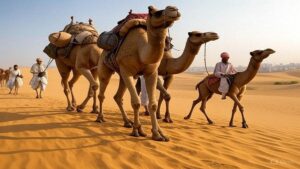
The golden expanse of Bikaner’s desert captivates visitors with its raw, untouched beauty. Located in the heart of Rajasthan’s Thar Desert, this region presents a mesmerizing tableau of undulating sand dunes, hardy shrubs, and shimmering mirages under cloudless blue skies. The landscape is dramatically sculpted by winds, creating rippling patterns in the sand that shift with every passing day. Early morning and late afternoon reveal the desert at its most enchanting, as sunlight bathes the sands in hues of gold, amber, and deep red.
Unlike other parts of Rajasthan, Bikaner’s desert landscape is dotted with small villages and camel caravans, adding a sense of timelessness to the journey. Native flora like khejri trees and vibrant bougainvillea bloom amid the arid backdrop, supporting flocks of birds and small wildlife that have adapted to life here. The tranquility of the desert, paired with the subtle sounds of wind and distant calls of peacocks, offers an immersive escape for nature lovers and photographers alike. Bikaner’s unique ecosystem is also home to herds of camels, often called the “ships of the desert,” commonly seen ambling along the horizon, much like they did centuries ago.
In this setting, the grandeur of Rajasthan’s architectural marvels stands in striking contrast to the starkness of the sands. The commanding walls of Junagarh Fort emerge unexpectedly from the barren landscape, symbolizing the resilience and ingenuity of the region’s people. For those seeking adventure, traversing the desert on foot or by camel is a must-do activity, opening up panoramic vistas and the opportunity to witness local life and customs in their most authentic forms. Bikaner’s desert not only defines the physical character of the city but also shapes its culture, cuisine, and the daily rhythms of its people.
Historical significance and heritage sites
Step into the heart of Bikaner and you’ll find an enthralling tapestry of history woven into every sandstone block and ornate archway. The city’s roots stretch back to the late 15th century, when Rao Bika, a Rajput prince, founded Bikaner amid the mighty dunes of Rajasthan. Its strategic location along historic caravan trade routes transformed the city into a prosperous cultural center and led to the construction of some of Rajasthan’s most significant heritage sites.
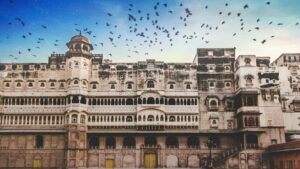
The iconic Junagarh Fort stands as Bikaner’s crowning jewel and a testament to architectural brilliance. Unlike many forts in Rajasthan, Junagarh was built on the desert plains rather than atop a hill, making its colossal stone walls and maze-like interiors even more imposing. The fort’s construction began in 1589 under Raja Rai Singh and features a harmonious blend of Rajput, Mughal, and Gujarati styles. Within its ramparts, visitors are greeted by intricately decorated palaces such as Anup Mahal, with mirrored ceilings and gilded balconies, Karan Mahal adorned with delicate floral motifs, and the serene Phool Mahal. Each space echoes with tales of royal feasts, battles, and celebrations. A walk through the museum inside Junagarh Fort offers a fascinating glimpse of Bikaner’s regal past, with collections of weapons, jewelry, manuscripts, and ceremonial costumes used by the royal family.
Wander outside the fort and the old city’s narrow, bustling streets lead to more heritage wonders. The opulent Laxmi Niwas Palace and Lalgarh Palace exude an air of bygone grandeur. Laxmi Niwas Palace, once the residence of Maharaja Ganga Singh, is now a luxurious heritage hotel; its Indo-Saracenic architecture is adorned with latticework windows, red sandstone columns, and lush gardens. Lalgarh Palace, completed in the early 20th century, houses a museum that details the lifestyle of Bikaner’s erstwhile royalty and the city’s storied role during the British Raj.
With every step through Bikaner’s heritage sites, echoes of the past mingle with present-day life. The cluster of havelis in the Rampuria neighborhood is a highlight for architecture enthusiasts. These merchant mansions, built in the 18th and 19th centuries, dazzle with carved jharokhas (balconies), frescoes, and red sandstone facades that showcase the wealth and artistry of Bikaner’s trading class.
As you explore these historical gems, the vibrant atmosphere of the city—punctuated by rangoli patterns on courtyards, the aroma of traditional Rajasthani food wafting from kitchens, and the colorful crowd moving through marketplaces—deepens the sense that Bikaner’s heritage is very much alive.
Local traditions and festivals
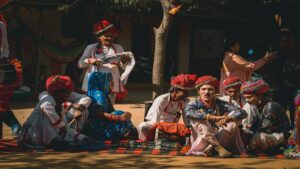
The vibrant traditions of Bikaner are deeply rooted in Rajasthan’s centuries-old cultural tapestry, reflected in the city’s colorful festivals and time-honored rituals. Here, life is marked by a rhythmic calendar of lively celebrations that blend royal grandeur with the everyday joy of its people. Bikaner’s festivals act as windows into the region’s soul, where turbans swirl, folk music rises under the desert sky, and age-old customs are observed with joyful devotion.
One of the city’s signature events is the world-famous Bikaner Camel Festival held every January. This two-day extravaganza on the sand dunes just outside the city pays tribute to the ‘ship of the desert’—the camel. Visitors are greeted by a dazzling parade of ornately decorated camels led by their proud handlers, with each camel displaying intricate patterns shaved into its fur and adorned with vibrant necklaces and anklets. The festival includes camel races, tug-of-war, and best-decorated camel contests, as well as traditional Rajasthani folk performances that keep the crowd enthralled. The festivities light up the desert night with fireworks, music, and the aroma of local food wafting from bustling stalls.
Not to be missed is the colorful Gangaur Festival, celebrated in March and April, which honors Gauri, the goddess of abundance and marital bliss. Bikaneri women dress in their finest attire and carry beautifully decorated clay idols of the goddess through the streets, accompanied by singing, folk dances, and lively processions. Another spectacle is the Karni Mata Fair at the famous Karni Mata Temple in Deshnok, about 30 kilometers from Bikaner. Known affectionately as the ‘Rat Temple’ due to its sacred resident rats, the temple bursts into life during the biannual fair with devotees and tourists gathering for rituals, music, and vibrant bazaar shopping.
Traditional folk music and dance are integral to life in Bikaner. The evocative melodies of the Manganiyar and Langa musicians, often performed at city events or in heritage courtyards, speak of desert folklore, heroic Rajput warriors, and desert romance. The energetic Ghoomar dances and swirling Kalbeliya performances are staples during local gatherings and offer an unforgettable cultural immersion to any visitor.
These festivals and cultural practices are not just performances for tourists—they are living traditions that unite communities and pass on heritage from one generation to the next. Participating in these celebrations or simply witnessing them, travelers get a true sense of Bikaner’s hospitality, spirit, and the subtle interplay of tradition and festivity that defines this unique corner of Rajasthan.
Cuisine and artisanal crafts
Bikaner’s reputation as a culinary haven is well-deserved, with its unique take on Rajasthani cuisine delighting both casual foodies and seasoned epicureans. The city’s arid climate and rich royal heritage have shaped a food culture that balances robust flavors with ingenious preservation techniques, resulting in an array of savory snacks, hearty mains, and irresistibly sweet desserts.
Begin your exploration with the iconic Bikaneri bhujia, a crispy, spicy lentil-based snack that has achieved near-legendary status across India. Crafted from moth beans and besan (gram flour), seasoned with a signature blend of local spices, and deep-fried to perfection, bhujia is a must-try treat you’ll find in nearly every local shop. The street food culture thrives in Bikaner’s old city, where vendors serve up hot kachoris—flaky pastries filled with spicy lentils or potatoes—paired best with tangy tamarind chutney. Another staple is samosa, generously stuffed with aromatic fillings and fried golden, making for the perfect savory companion during a fort tour or an afternoon market stroll.
When it’s time for a heartier meal, sample the traditional Rajasthani thali. This all-in-one platter brings together local breads like bajra roti and missi roti; fiery curries such as ker sangri (a desert bean and berry specialty); and fragrant gatte ki sabzi, where gram flour dumplings simmer in a spiced yogurt gravy. Don’t miss laal maas, a rich red mutton curry brimming with chili and flavor, beloved by both royalty and visitors seeking authentic heat. Complement your meal with cooling buttermilk, or chhaas, especially refreshing after a day out in the desert sun.
Sweet tooths will revel in desserts like rasgulla and rajbhog—spongy, syrup-soaked confections that originate from Bikaner’s legendary sweet shops. The ghevar, a honeycomb-like disc soaked in sugar syrup and topped with nuts, is especially popular during festival times. At nearly every turn, you’ll find halwai (sweet makers) crafting these mouthwatering treats, their skills handed down through generations.
Beyond food, Bikaner is famed for its thriving tradition of artisanal crafts. The bustling bazaars hum with the sounds of weavers, potters, and jewelers practicing time-honored techniques. Usta art—a form of 3D gold embossing, originally used to decorate the walls of Junagarh Fort—now adorns decorative wooden boxes, camel hide stationery, and even furniture, preserving royal aesthetics in pieces you can take home. For something truly unique, discover the delicate camel leather crafts for which Bikaner is renowned—bags, shoes, and belts meticulously hand-tooled and dyed in vibrant colors, often finished with intricate embroidery.
Don’t leave without browsing the local markets for handwoven woolen shawls, colorful bandhej (tie-dye) textiles, lacquered bangles, and miniature paintings. A stroll through the old Rampuria Haveli lane can be combined with stops at artisan-run studios, where you can watch masters at work and pick out your own souvenirs. These crafts, rich with desert motifs and cultural symbolism, provide a beautiful memento of your journey and directly support Bikaner’s vibrant creative community.
Guided walks and travel tips
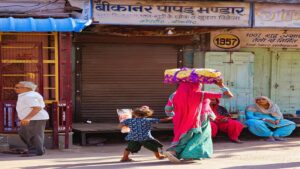
Embarking on a guided walk through Bikaner’s historic neighborhoods and desert fringes is one of the best ways to truly experience Rajasthan beyond the walls of its splendid fort and bustling markets. Several local tour operators offer immersive walking tours that navigate through labyrinthine lanes, atmospheric bazaars, and tranquil desert outskirts, each curated to unveil the city’s multi-layered culture and living traditions. These walks are often led by knowledgeable guides fluent in Bikaner’s history, architecture, and culinary secrets, ensuring every step yields new discoveries.
Start your exploration at the Junagarh Fort, where guided tours illuminate not only the grandeur of its palaces but also hidden details—stories behind intricate frescoes, legends of royal intrigue, and demonstrations of traditional weaponry. Many walks continue through Rampuria Lane, home to the exquisitely carved 19th-century havelis, and feature stops at vintage temples, ancient wells (baoris), and artisan quarters. Some tours are themed around Bikaner’s vibrant markets, letting visitors sample legendary local food like hot kachoris or sweet rasgullas while meeting generations-old halwai families and bhujia makers in their workshops.
For those seeking the tranquility of the desert, consider guided eco-treks along the sand dunes at dawn or dusk. These excursions not only offer the chance to witness golden landscapes come alive with the colors of sunrise or sunset but also introduce walkers to nomadic camel herders, shepherd encampments, and rare desert flora. Many guides share stories of desert survival, traditional water conservation, and folk tales passed down through the ages. Some walks can also be combined with camel rides or village visits, for a hands-on experience in local crafts and daily life.
When planning your Bikaner adventure, a few practical travel tips can make your journey seamless and memorable. The best time to visit is from October to March, when Rajasthan’s dry, cool weather is ideal for long walks and outdoor exploration. Dress in light layers, carry a sunhat or scarf to protect against the desert sun, and always keep water handy—hydration is key when walking, especially in the open desert. Guided tours range from two-hour heritage strolls to half-day cultural immersions, and most can be booked through reputable local agencies or directly through your accommodation.
Getting to Bikaner is straightforward: The city is well-connected by rail and road to major destinations in Rajasthan like Jaipur, Jodhpur, and Delhi. The nearest airport is Nal Airport, approximately 13 kilometers from the city center, with limited flights; most travelers arrive via Jaipur, followed by a scenic road or train journey. Within Bikaner, auto-rickshaws, tuk-tuks, and cycle rickshaws are readily available for short distances.
As for budgeting, Bikaner remains one of Rajasthan’s more affordable heritage destinations. Entry fees for most monuments are modest—expect to pay around INR 100–300 for fort and palace visits, with guided walks priced between INR 500–1500 per person depending on tour length and inclusions. Street food and local meals are both delicious and budget-friendly, often costing less than INR 150 for a generous serving.
Whether you’re a curious foodie, photographer, history enthusiast, or simply an intrepid wanderer, guided walks in Bikaner open doors to the city’s authentic spirit—a place where every corner reveals a new story and the hospitality of Rajasthan is always close at hand.