
Highlights of Shimla
Nestled in the heart of Himachal Pradesh, Shimla is a picturesque hill station renowned for its colonial charm, scenic vistas, and vibrant local culture. Surrounded by lofty pine-clad mountains and lush valleys, Shimla has been a favorite retreat for travelers seeking a blend of adventure, history, and relaxation. With its cool climate and breath-taking landscapes, this former summer capital of British India continues to enchant visitors from around the globe.
The best time to follow a Shimla itinerary is from March to June, when the weather is pleasantly mild and perfect for sightseeing and outdoor activities. Winter months, from December to February, drape the city in a blanket of snow, turning the hill station into a magical winter wonderland ideal for snow lovers and honeymooners.
Top attractions promise to make any visit memorable. The Mall Road, Shimla’s bustling promenade, offers an array of shops, cafes, and colonial-era buildings. The Ridge provides panoramic views of snow-capped peaks and is a hub for cultural events. Jakhoo Temple, perched atop the highest hill in Shimla, offers tranquility and stunning vistas. For those interested in history, the Viceregal Lodge with its grand Scottish architecture is unmissable. Exploring Kufri, just outside Shimla, offers a taste for adventure with trekking routes, horseback riding, and winter skiing.
A carefully crafted 3-day itinerary in Shimla ensures a diverse experience. Day one centers on immersing in the colonial charm through guided heritage walks and visits to British-era landmarks. Day two takes you closer to nature, with hikes through cedar forests, excitement at Kufri’s adventure park, and quiet reflection at serene hilltop temples. Day three lets you mingle with locals at bustling markets, discover Himachali handicrafts, and indulge in authentic hill station cuisine, rounding out your cultural journey in Shimla.
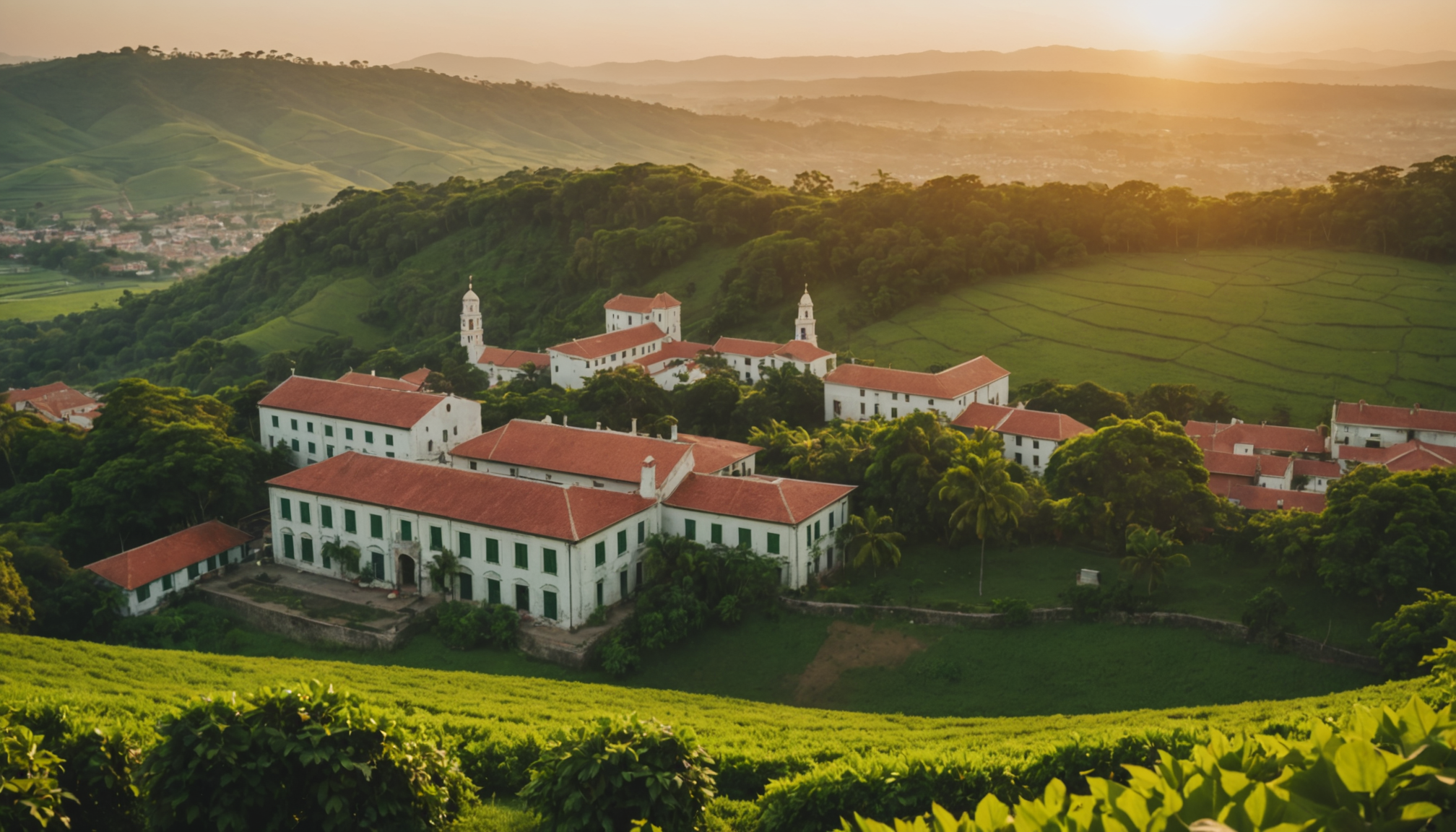
To visually capture this vibrant destination, an image of the sun setting over the green hills with Shimla’s colonial buildings in the foreground would be the perfect choice.
Day 1: exploring the colonial charm
Begin your first day in Shimla by strolling along the iconic Mall Road, the heart of this hill station’s colonial era legacy. Flanked by charming British-era buildings, bustling shops, and cozy cafes, the Mall is perfect for soaking up the city’s lively atmosphere. As you meander through, stop by the historic Gaiety Theatre, a neo-Gothic marvel dating back to 1887, where you can peek inside and admire the intricate architecture that hosted countless cultural events during British times.
Just a short walk away lies The Ridge, Shimla’s sprawling open space with sweeping views of the surrounding Himalayas and townscape. This is not only a scenic vantage point but also a cultural hub where locals gather for festivals and public events. Snap photos with the Christ Church as your backdrop, one of the oldest churches in North India, known for its striking stained-glass windows and ivory-yellow façade.
Continue your immersion in Shimla’s colonial heritage by visiting the Viceregal Lodge, also known as Rashtrapati Niwas. Situated on Observatory Hill, this 19th-century mansion was the official residence of the British Viceroy of India and today showcases magnificent woodwork, lush lawns, and an engaging museum detailing key moments from India’s colonial history. Guided tours offer fascinating insights into the lodge’s grand halls and royal past.
If time allows, explore the quaint bylanes leading to Lakkar Bazaar, renowned for its traditional wooden crafts and antiques. Here, artisans sell hand-carved walking sticks, toys, and home décor unique to Shimla. End your afternoon with high tea at one of the heritage hotels, such as Clarkes or the Oberoi Cecil, relishing the old-world hospitality and stunning views.
As the sun sets, wander back to The Ridge, where the soft glow of colonial-style lampposts and the buzz of evening strollers brings the town’s rich history to life. Your day of colonial charm sets the perfect pace for the rest of your Shimla itinerary.
Day 2: nature and adventure
 After delving into Shimla’s colonial past, dedicate your second day to soaking in the hill station’s natural beauty and indulging in adventure. Start your morning with a scenic drive or short trek to Jakhoo Hill, the highest point in Shimla, standing tall at 2,455 meters. Home to the revered Jakhoo Temple, this spot offers sweeping views of the snow-capped Himalayas and the valley below. If you’re feeling adventurous, hike up through the dense cedar woods—the experience is both invigorating and peaceful.
Next, make your way to Kufri, just 16 kilometers from central Shimla, a must-visit for lovers of nature and excitement. Often called “the winter sports capital of Himachal,” Kufri transforms in winter with a blanket of powdery snow, perfect for skiing and tobogganing. Even during the warmer months, Kufri charms visitors with its scenic landscapes, gentle hiking trails, and the renowned Himalayan Nature Park. Here, families and children can see native wildlife like Himalayan monal, yaks, and musk deer.
Thrill-seekers should not miss Kufri Fun World, home to one of the world’s highest amusement parks, featuring fun rides and an ice-skating rink. Horse riding along the trails, especially toward Mahasu Peak, adds a unique adventure to your Shimla itinerary. The panoramic views from the summit are simply breathtaking and offer stunning photo ops.
Post-lunch, head towards the nearby Green Valley. Blanket yourself in tranquility as you stroll through deep deodar and pine forests, with occasional glimpses of grazing yaks and Himalayan flora. This peaceful retreat provides opportunities for bird-watching and photography, making it a favorite spot for nature enthusiasts.
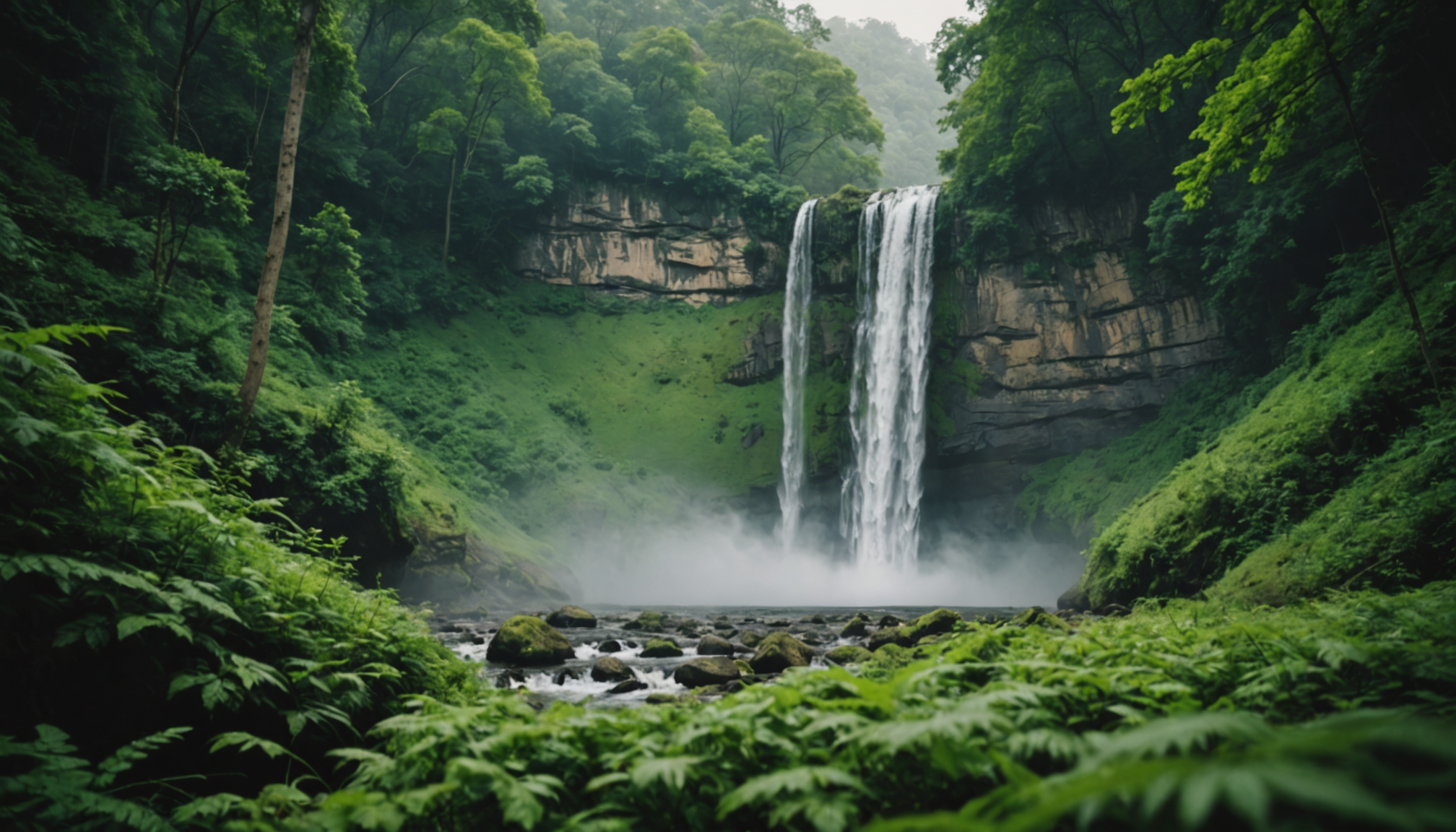
End your adventure-filled day with a leisurely walk at Chadwick Falls, nestled about 7 kilometers from Shimla’s center. Surrounded by dense forest, the cascading waters provide a mesmerizing setting, especially between July and October when the falls are at their fullest. Sit by the water, breathe in the cool mountain air, and let the sounds of nature rejuvenate you.
Packed with natural wonders and thrilling activities, your second day in Shimla lets you fully embrace the area’s adventurous spirit and spectacular Himalayan landscapes, ensuring your trip is as exciting as it is memorable.
Day 3: local markets and cultural experiences
On your third day in Shimla, immerse yourself in the vibrant local culture by exploring bustling markets and enjoying authentic regional experiences. Begin your morning at the famous Shimla Market on Mall Road, which comes alive with colorful stalls selling Himachali handicrafts, woolens, and exclusive souvenirs. From hand-knitted shawls and pashminas to locally carved wooden artifacts, you’ll find perfect mementos to bring home. Stroll through the Lakkar Bazaar, notably famous for its exquisite wooden toys and walking sticks, a specialty of this historic hill station.
As you roam the stalls, don’t miss sampling street-side treats like steaming momos and spicy chana chaat—one of the most-loved local snacks. Food lovers can dig deeper into Himachali cuisine by trying Sidu (a steamed bread with stuffed fillings) and Madra (a rich chickpea curry), commonly served in cozy cafes along Mall Road or at authentic dhabas such as Himachali Rasoi, known for its traditional Himalayan flavors.
For an artistic touch to your itinerary, visit the Himachal State Museum, which preserves the region’s folk art, miniature paintings, and archaeological treasures, providing valuable insight into Shimla’s diverse cultural history. Art enthusiasts may also enjoy a wander through local art galleries on Lower Bazaar Road, where contemporary and traditional works by Himachali artists are showcased.
To truly experience Shimla’s lively atmosphere, time your visit with one of the city’s vibrant festivals, like the Shimla Summer Festival (typically held in May or June on The Ridge). With its lively folk dances, handicraft exhibitions, and live music performances, you’ll get a taste of local Himachali traditions in full swing. Even if you’re visiting outside festival dates, evening hours often see impromptu performances by local musicians, especially on The Ridge and Mall Road.
Wrap up your cultural immersion with a relaxing tea break at Indian Coffee House, a renowned spot with vintage decor and a reputation for brewing some of the best chai in the hill station. Here, the lively hum of locals chatting and the aroma of freshly ground coffee beans adds a nostalgic charm to your Shimla experience.
For a memorable end to your third day, enjoy a peaceful stroll along the illuminated streets as dusk falls, with the scent of pine in the air and the sounds of the city’s life all around you—a perfect way to soak in the spirit of Shimla before your journey concludes.
Suggested image: A lively evening scene at Shimla’s Mall Road with locals and tourists shopping, colonial facades in the background, and colorful market stalls illuminated by warm lights.
Travel tips and recommendations
 Getting the most from your Shimla adventure begins with some practical travel tips and recommendations. Start by planning your itinerary between March and June, when the weather is cool and pleasant—ideal for sightseeing and exploring the outdoors. If you prefer snow, December to February is best, but bundle up for chilly conditions and occasional road closures due to snowfall.
Getting to Shimla is convenient from several major Indian cities. The nearest airport is Jubbarhatti, located about 22 kilometers away, with limited direct flights from Delhi. A more popular way to reach the hill station is by train; the scenic Kalka-Shimla Railway, a UNESCO World Heritage site, offers a picturesque ride with winding tracks, tunnels, and mountain views. For road travel, regular buses and private taxis connect Shimla with Chandigarh (about four hours away) and Delhi (around seven to eight hours by road).
Budget-conscious travelers can find a range of accommodations, from backpacker hostels starting at INR 500 per night to mid-range hotels and luxury resorts for those seeking more comfort. Advance bookings are recommended, especially during peak tourist seasons and festivals. Local transportation within Shimla mainly involves walking, as many areas—especially the Mall Road and Ridge—are pedestrian only. However, taxis are readily available for attractions farther out, like Kufri and Green Valley.
Packing appropriately for your Shimla itinerary is crucial. Carry layered clothing, a warm jacket (even in summer evenings), good walking shoes, and a raincoat or umbrella during the monsoon (July-September). Don’t forget sunscreen, sunglasses, and any necessary medications. If you plan on trekking or adventure activities, bring sturdy footwear and reusable water bottles.
While most modern amenities are available, carrying some cash is useful, especially in local markets or small eateries where digital payments might not be accepted. ATMs and currency exchange facilities are available at major spots. For authentic cultural experiences, interact with locals, try Himachali dishes, and respect local customs—such as removing shoes before entering temples.
When exploring, keep eco-friendly practices in mind: avoid littering, carry reusable bags and bottles, and respect the natural tranquility and heritage of the hill station. For those interested in local events or workshops (like Himachali cooking classes or handicraft sessions), the Himachal Tourism Office on The Mall has updated information and can help with bookings.
Travel insurance, though optional, is highly recommended for peace of mind, especially if you plan adventure activities. And finally, don’t rush your itinerary—Shimla’s charm lies in soaking up the relaxed pace, engaging with its vibrant culture, and enjoying every scenic moment.
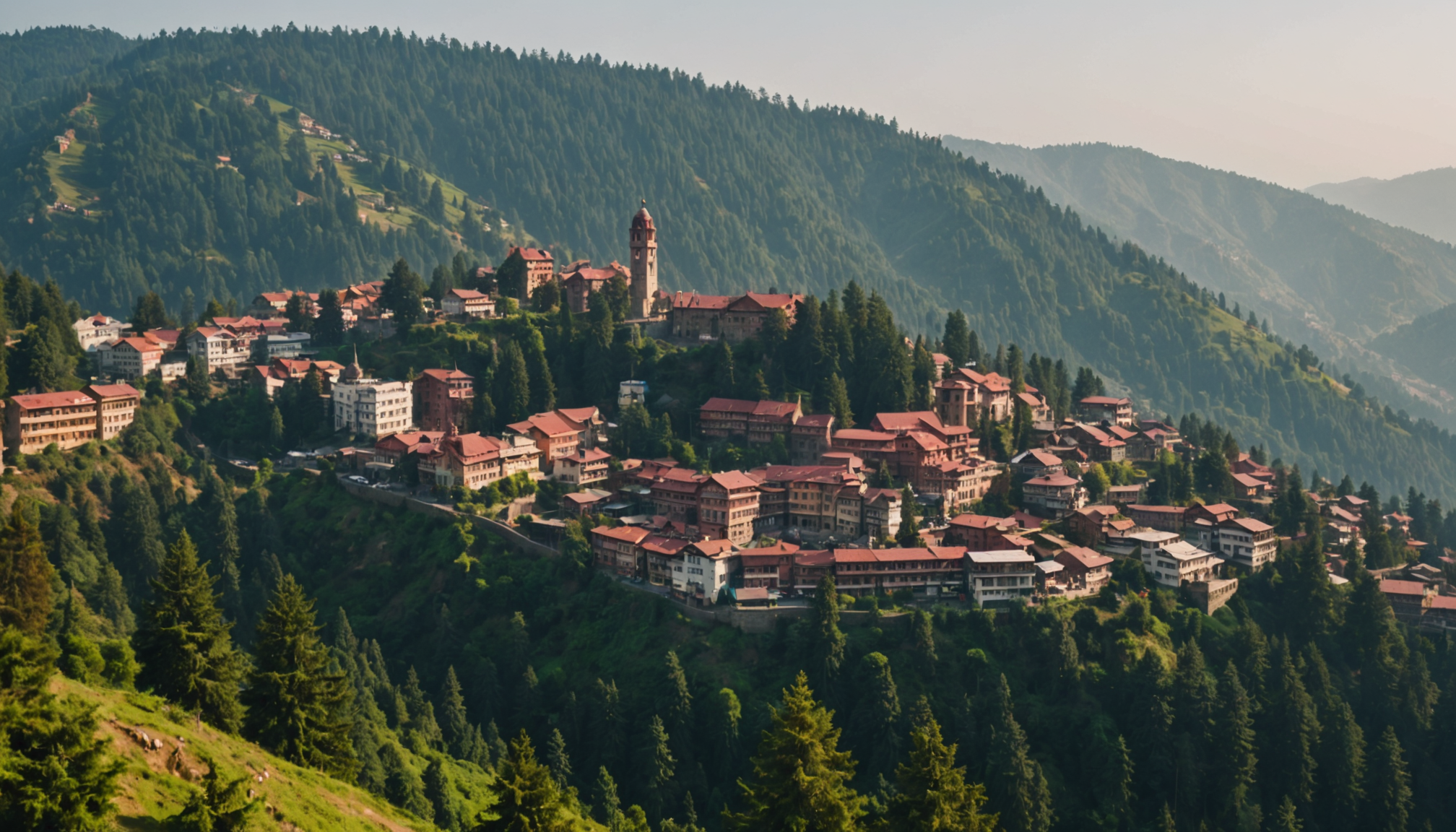
Suggested image: A panoramic view of Shimla town nestled amid lush green hills, with pine trees in the foreground and colonial-era buildings dotting the landscape.